
Casements and sash windows are the two dominant styles in the UK, split broadly by era: casements suit most post-war houses, while sashes belong to the Victorian and Georgian terraces that still make up a large share of British housing stock. The price difference is real and consistent. A uPVC casement sits in the £400 to £1,000 fitted range, while a uPVC sash window runs £600 to £1,500, and a timber sash in a heritage specification reaches around £1,950 per window. If you want a quick price for your own home, the casement window calculator and the sash window calculator will work through the numbers. Below we compare the two across the five dimensions that matter most, then give a plain verdict.
The headline comparison
Here is the side-by-side picture before the detail. All cost figures are fitted, per-window ranges for a standard-size opening in uPVC unless noted. For a full breakdown of what goes into window pricing, the window costs guide covers every factor.
| Dimension | uPVC Casement | uPVC Sash |
|---|---|---|
| Cost per window (fitted) | £400–£1,000 | £600–£1,500 |
| Timber heritage option | Not typical | Around £1,950 |
| Opening method | Hinged outward | Vertical sliding |
| Thermal performance | A-rated double glazing | A-rated double glazing |
| Weather seal | Compression seal (strong) | Sliding seal (adequate) |
| Maintenance | Very low | Moderate (more moving parts) |
| Period character | Contemporary or neutral | Victorian, Georgian |
Source: DGCC 2026 dataset. Timber sash heritage figure included for reference.
Cost
Cost is the clearest reason to choose a casement. At £400 to £1,000 fitted, a uPVC casement is the cheapest route to A-rated double glazing available in the UK. A uPVC sash at £600 to £1,500 costs noticeably more, reflecting the more complex mechanism: the two sashes, the counterbalance system, the longer run of seal and the additional fitting time. If you are replacing all the windows in a typical semi-detached house, the gap between styles can add several thousand pounds to the total bill. Timber sash windows, the choice for period renovations and conservation areas, push the cost to around £1,950 per window, making them a considered investment rather than a default replacement. For a broader view of what window replacement costs by style, see the full window costs breakdown.
Best Buy Casement wins on cost. It is the cheapest path to compliant, A-rated glazing.
Look and which home it suits
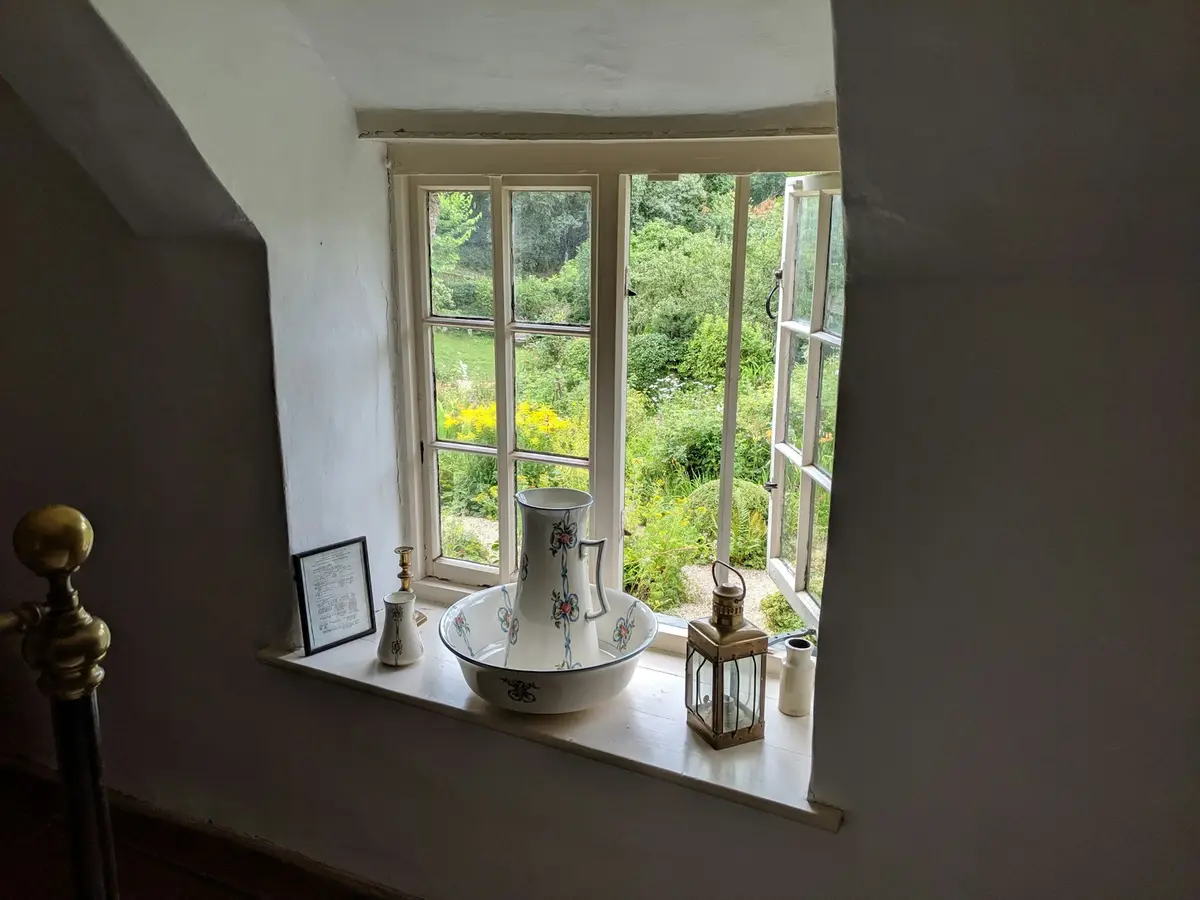
Style is where the sash window earns its premium, and it is not a trivial point. A sash window is architecturally correct on a Victorian terrace or a Georgian townhouse in a way that a casement simply is not. The vertical-sliding sash, with its slim glazing bars and traditional proportions, was designed for these buildings. Fitting casements in their place looks wrong to anyone who knows the house, and it can affect planning permission or permitted development rights in a conservation area. Our sash windows guide covers the heritage considerations in full, including what to check before ordering in a listed or conservation-area property.
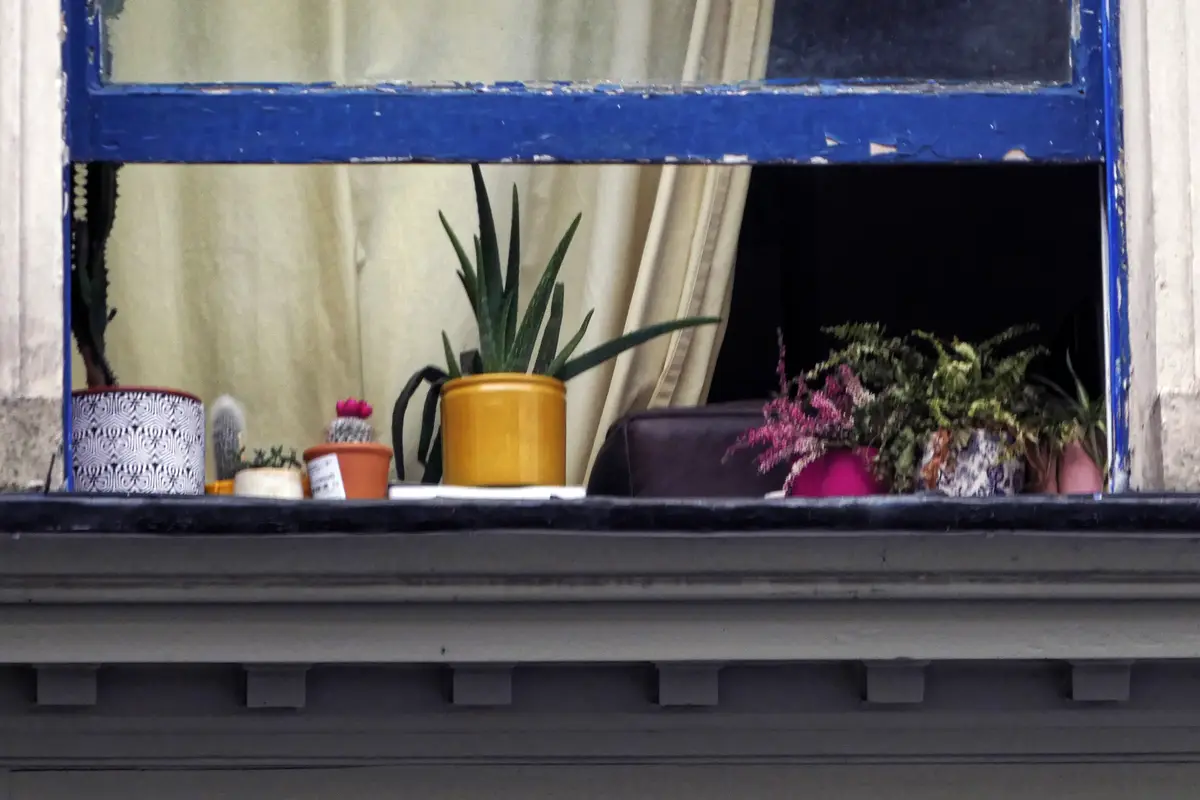
Casements are the right look for most post-war housing: 1950s and 1960s semis, 1980s estates, new builds and modern extensions. They are neutral in the best sense, unobtrusive, and available in a wide range of colours and finishes. If you are unsure which style your house was built with, the casement windows guide walks through how to identify the original specification.
It depends It depends on the building. Sash for period homes; casement for post-war and contemporary.
Ventilation and operation
Both styles ventilate well, but they do it in different ways. A casement opens fully on its hinge and can be angled to direct airflow into the room. On a warm day it gives maximum open area in a single panel, which is useful in kitchens and bathrooms. A sash window opens top and bottom simultaneously, creating a stack effect: warm room air rises and escapes through the gap at the top, while cooler air enters from the bottom. Many homeowners with period houses find this passive ventilation approach more effective for keeping the house cool in summer without forcing a through draught. The sash mechanism is more complex, with two moving panels and a counterbalance system, which means more to go wrong and more to maintain over time. The casement hinge is a simpler mechanism with fewer moving parts, and it is easier and cheaper to service.
Worth it Sash windows offer more versatile ventilation; casements are simpler to operate and service.
Security and weather seal
Casement windows have a structural advantage here. When a casement closes, it is pulled into a compression seal that runs around all four sides of the frame. The window locks into the frame itself, making it difficult to force from outside. Modern casement locks, tested to BS 7950, add a further layer. Sash windows rely on a different approach: the sliding panels lock with bolts rather than compression, and the meeting rail where the two sashes overlap is a potential point of entry if the lock is inadequate. Modern sash windows include shoot-bolt or dual-screw locks and also meet security standards, but the compression seal of a casement remains slightly more robust in both weather and security terms. In a particularly exposed location, a casement will let in less wind-driven rain than a sash over its lifetime.
Best Buy Casement for security and weather seal, though modern sash locks are adequate for most homes.
Maintenance
A uPVC casement is about as close to a no-maintenance window as you can buy. The hinge is a simple mechanism, the frame does not rot, and the only routine task is wiping the frame clean. A uPVC sash window is also low-maintenance relative to timber, but it has more moving parts: the two sliding panels, the counterbalance weights or springs, and a longer total run of seal and track. Over time that means more potential points of wear. In a timber sash, the maintenance requirement is significantly higher still, with periodic painting or staining, the risk of rot in the joints if the paintwork fails, and regular adjustment of the sash cords. If low upkeep is a priority, the casement is the straightforward choice. Both styles in uPVC are a large step down in maintenance from their timber equivalents.
Best Buy Casement for lowest maintenance. uPVC sash is reasonable; timber sash requires real commitment.
Casements outsell sash windows many times over, and for most houses that is the right call. The sash earns its premium on Victorian and Edwardian terraces, not just because it looks right, but because a casement on those houses can trigger planning objections and sometimes undermines the value of the property. Spend the extra money on the sash if it is what the house needs. But do not pay the sash premium on a 1970s semi just because someone told you it looks more traditional.
Double Glazing Cost Calculator Team
The verdict
For the majority of UK homes, the uPVC casement is the Best Buy. It costs less, seals better, requires less maintenance and is the architecturally correct choice for most post-war housing. At £400 to £1,000 fitted, it is also the most affordable route to A-rated double glazing. The sash window is a different case. At £600 to £1,500 in uPVC and around £1,950 in timber, the sash is priced as a period fitting, and that is exactly what it is. For a Victorian terrace, a Georgian townhouse or any property in a conservation area where the vertical-sliding look is expected or required, the sash is not just worth considering; it may be the only viable option. Compromise on the style in those situations and you may compromise on planning permission, street character and eventual resale value. Choose your style by matching it to the house, not by picking the cheaper number, and remember that style is only one of the double glazing comparisons that decide a quote: our other double glazing comparisons weigh frame material, pane count and fitting route.
Frequently asked questions
uPVC casement windows cost £400 to £1,000 fitted per window. uPVC sash windows cost £600 to £1,500, so you are typically paying around 50% more for the sash style. Timber sash windows in a heritage specification cost around £1,950 per window, making them the most expensive option by some distance.
Yes, and in many cases a well-specified uPVC or timber sash is the only style planning will accept. Conservation areas often require the vertical-sliding sash look that defined the original Victorian or Georgian street. Check with your local planning authority before ordering, and make sure your installer is familiar with conservation-area rules.
Generally yes. Casement windows lock into the frame on all four sides when closed, creating a tight, compressed seal that is difficult to force. Sash windows slide and rely on locking bolts rather than compression. Both modern styles meet BS 7950 security standards, but casements offer a marginally more robust weather and security seal.
Both can ventilate well, but they do it differently. A casement opens fully outward, giving maximum airflow in one direction. A sash window can open top and bottom simultaneously, creating a stack-effect draught that pulls warm air out at the top and draws cooler air in at the bottom. For passive cooling, many find this double-opening sash method more effective.