
Double glazing prices in London run about 20% above the UK average, the highest of any UK region in our analysis of 2026 regional data, which points to roughly £480 to £1,200 per window fitted and £4,800 to £12,000 for a typical 3-bed. That uplift comes from one modelled study (ExpertSure 2026), so treat it as an approximate guide rather than hard fact, and always anchor back to the national picture on our cost by house size guide and the cost by UK region table.
How London compares with the national average
The national, fully fitted figures are our baseline: a typical uPVC casement runs £400 to £1,000 per window, and a mid-terrace or 3-bed runs £4,000 to £10,000. Our analysis of 2026 regional data suggests London adds around 20% on top. We present that as an approximate uplift because it derives from a single modelled study, not a separate survey of London quotes.
| Measure | UK national | London (around +20%) |
|---|---|---|
| Per window (fitted casement) | £400–£1,000 | £480-£1,200 |
| Typical 3-bed | £4,000–£10,000 | £4,800-£12,000 |
| Modelled adjustment | Baseline | +20% |
National figures from the DGCC 2026 dataset. London uplift modelled (ExpertSure costs by region, prices verified September 2026); presented as an approximate guide.
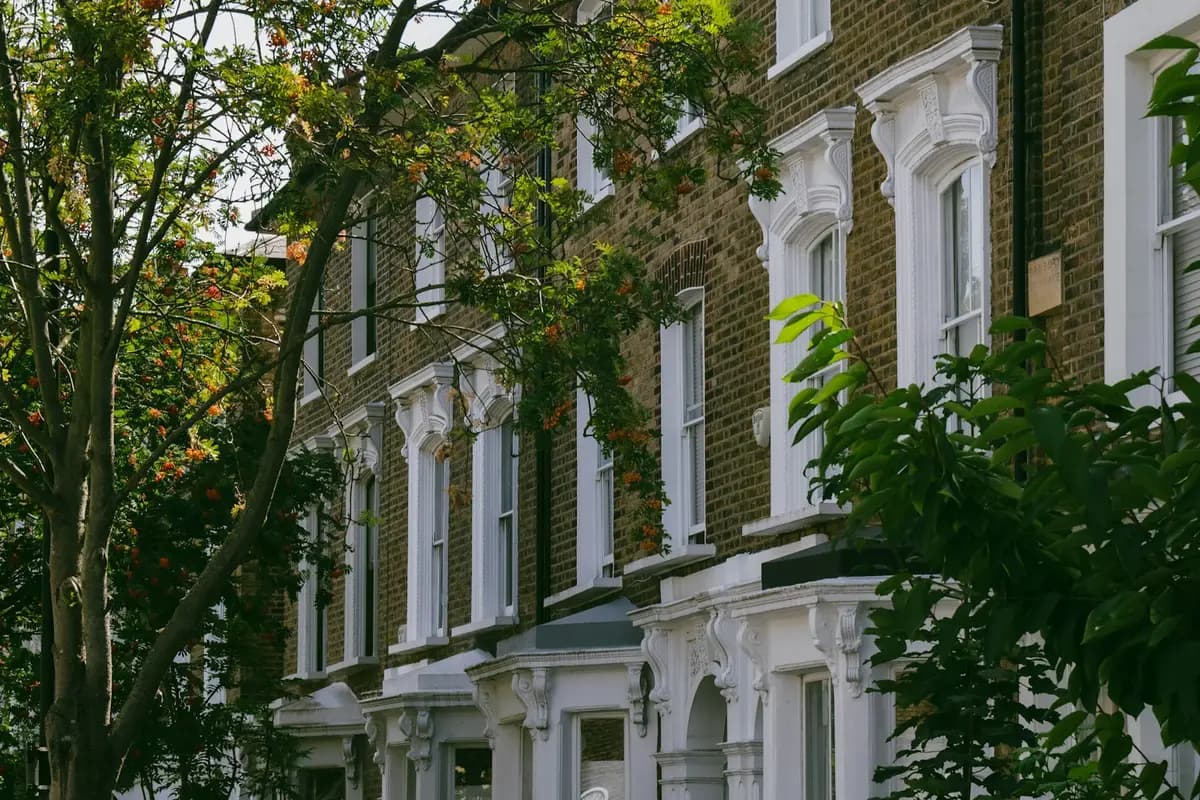
The same modelled data puts some London jobs in numbers. A 3-bed semi in Zone 3 to 4 with straightforward access and no conservation constraints sits closer to £5,500. A Georgian townhouse in Islington or a Victorian terrace in Hackney can reach £8,000 to £12,000 for heritage-compliant sash windows. Access and logistics add £200 to £400to a typical London installation, and 20% of London's housing stock is in a conservation area.
What each window style costs in London
The figures above are for a standard casement, which is the most common window in UK homes. Style moves the price more than anything else except frame material: a sash costs about half as much again as a casement, and a bay is priced per bay rather than per window. Here is the full range at London prices.
| Window style | UK national | London (+20%) | Best for |
|---|---|---|---|
| Casement | £400–£1,000 | £480–£1,200 | The default for most UK homes |
| Sash | £600–£1,500 | £720–£1,800 | Period and conservation properties |
| Tilt & Turn | £500–£1,200 | £600–£1,440 | Flats and upper floors |
| Bay | £1,250–£3,000 | £1,500–£3,600 | Priced per bay, not per window |
| Fixed | £300–£760 | £360–£910 | Non-opening, the cheapest option |
National figures from the DGCC 2026 price table. London column is the national figure adjusted by +20%, the modelled Greater London position (ExpertSure 2026), rounded to £10. Bay windows are priced per bay.
Three worked examples by house type
These examples take the national house-size figures and apply the modelled London uplift of around 20%. They are illustrative, not quotes.
Flat (around 4 windows)
A national flat runs about £1,800 to £5,000 fully fitted. Applying the roughly 20% London uplift suggests around £2,200 to £6,000, with access and parking on a mansion block often the swing factor.
Mid-terrace or 3-bed (around 8 to 10 windows)
Against the national £4,000 to £10,000, a London 3-bed lands at roughly £4,800-£12,000 for standard uPVC. A Victorian terrace in a conservation area can run well beyond that once heritage frames come into play.
Semi-detached (around 10 to 12 windows)
A national semi sits at £5,000 to £12,000. With the modelled London uplift that points to around £6,000 to £14,400, depending on window count and whether scaffolding is needed.
In London it is rarely the windows themselves that cost the earth, it is getting to them. Parking suspensions, skip permits, the congestion charge, hauling glass up a narrow Victorian staircase: that is where the London premium really lives. Budget for the access, not just the glass.
Double Glazing Cost Calculator Team
Conservation areas and listed buildings
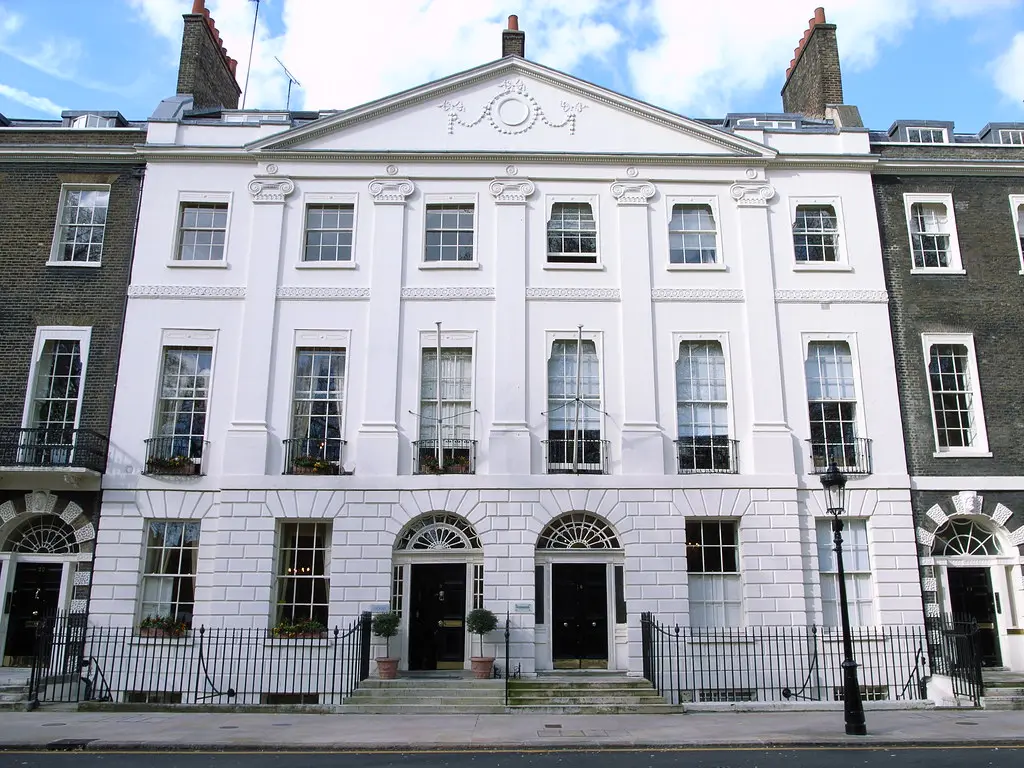
London has an unusually high density of conservation areas, and a great deal of period housing. In a conservation area or a listed building you may be required to fit timber sash or heritage-style frames rather than standard uPVC, and planning consent can be needed. That can push the cost well above the figures above, since a timber casement sits at £760 to £1,900 per window nationally before any London uplift. Always check with your local planning authority before you order.
Getting an accurate London price
Because our London figures rest on one modelled source, use them to set expectations, then get at least three written quotes from FENSA-registered installers for your own property. It is also worth seeing how double glazing costs by UK region stack up against the capital: prices in Manchester sit a little below the national average, while Birmingham tracks the UK benchmark almost exactly. At the other end of the scale, double glazing cost in Cardiff runs about 13% below the average, the widest gap from the capital of any city we price. Every city sits on the Double Glazing Costs by UK Region hub. To price the windows themselves, the uPVC window calculator gives a quick per-window estimate you can then adjust for London. When you are ready for real numbers on your own windows, you can get double glazing quotes in London from installers covering the capital.
Get quotes from London installers
The figures above are a benchmark. For prices on your actual windows, tell us what you need and Leads 2 Trade will arrange quotes from installers covering London.
Three things worth doing before you compare them. Ask every installer to price the same specification, because a quote that looks cheaper is usually a thinner sealed unit or different hardware rather than a better deal. Check whether your street falls inside a conservation area, which changes what frame materials are permitted and is the single biggest thing that moves a London quote away from the figures above. And sense-check the total against the £480 to £1,200 a window range: London runs around 20% above the UK average, so a quote at the national rate is worth questioning rather than celebrating: check what has been left out.
London double glazing questions
How much does double glazing cost in London?
Our analysis of 2026 regional data suggests London sits around 20% above the UK average, which works out at roughly £480 to £1,200 per window fitted and £4,800 to £12,000 for a typical 3-bed. These figures come from a single modelled study, so treat them as a guide and always get three local quotes.
Why is double glazing more expensive in London?
Three things push London prices up: higher labour rates, the cost and difficulty of parking, access and skip hire on narrow streets, and a high density of conservation areas that often force the use of pricier timber or heritage-style frames.
Do London conservation areas affect window choice?
Often yes. A large share of London's housing stock falls within conservation areas or is listed, where like-for-like timber sash or heritage-style frames may be the only permitted option and planning consent can be required. That can lift the cost well above the standard uPVC figures.
Are these London prices exact quotes?
No. The regional adjustment comes from one modelled 2026 study, not a survey of London quotes, so we present it as an approximate uplift on the national figures. Use it to set expectations, then get at least three written quotes from FENSA-registered installers for your actual property.