
The total cost of double glazing depends, more than anything else, on how many windows your home has. That is why a flat can be done for £1,800 while a large detached house runs to £16,500. This guide sets out the fully fitted 2026 figures by house size, all in uPVC, so you can find the row that matches your home and start with a realistic number. Every figure here is uPVC and fully fitted (supply, labour, removal, sealing and the FENSA certificate). For a single-window benchmark to build on, see our cost per window guide, and to put your own count in, use the price your own window count.
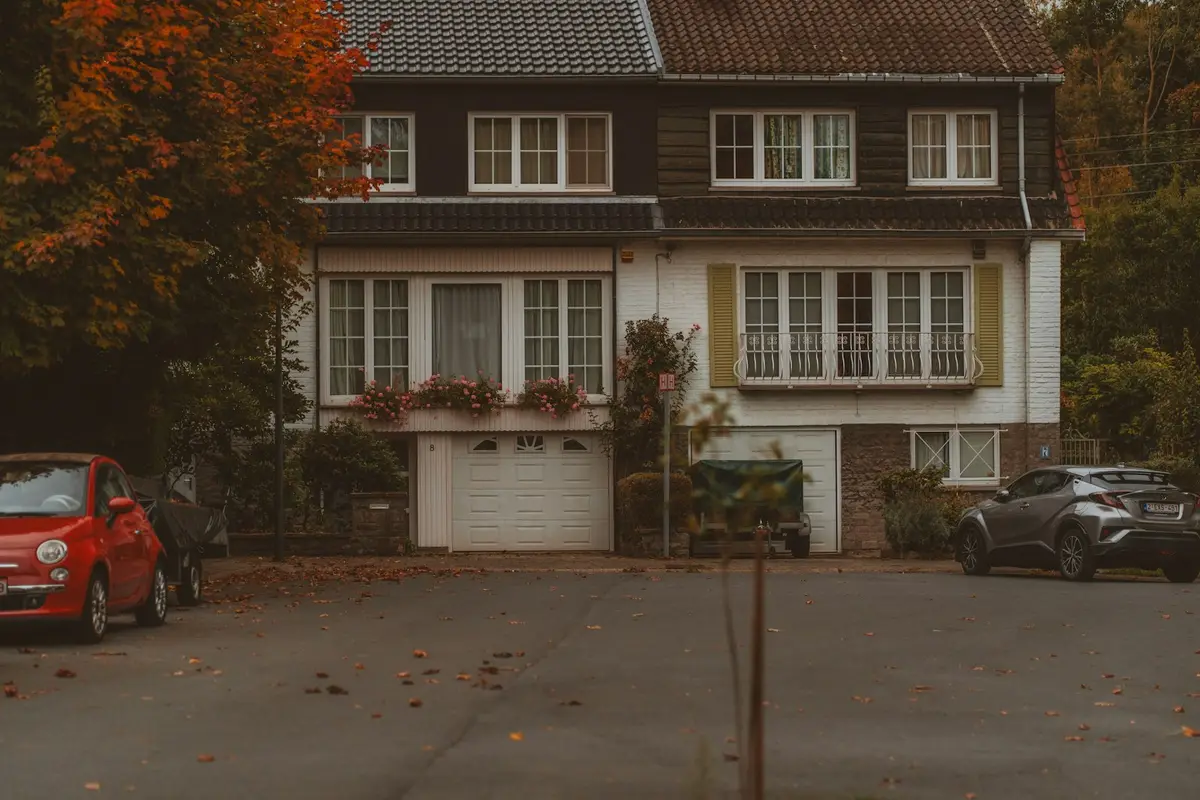
How much does it cost to double glaze a 3 bed house?
A 3 bed house costs roughly £6,500 to £8,000 fully fitted in uPVC, and which end you land on is decided by the house type rather than the bedroom count. Three bedrooms tells you almost nothing about how many windows there are: a terrace has two external walls to put them in, a semi has three and a detached has four. That is the whole explanation for the spread below.
| 3 bed house type | Typical windows | Low | Average | High |
|---|---|---|---|---|
| 3 bed terraced | 8 to 10 | £4,000 | £6,500 | £10,000 |
| 3 bed semi-detached | 10 to 12 | £5,000 | £8,000 | £12,000 |
| 3 bed detached | 12 to 16 | £7,000 | £11,000 | £16,500 |
Same DGCC 2026 dataset as the full table below, read across to the house types a 3 bed home actually takes.
Two things to hold onto when you read those rows. A 3 bed detached usually sits at the lower end of its range, because the 12 to 16 window count covers detached homes of every size and a three bedroom one is at the small end of that group. And a bay window counts as more than one window on almost every quote, which is the single most common reason a 3 bed semi comes back dearer than the owner expected. Our bay window calculator prices those separately.
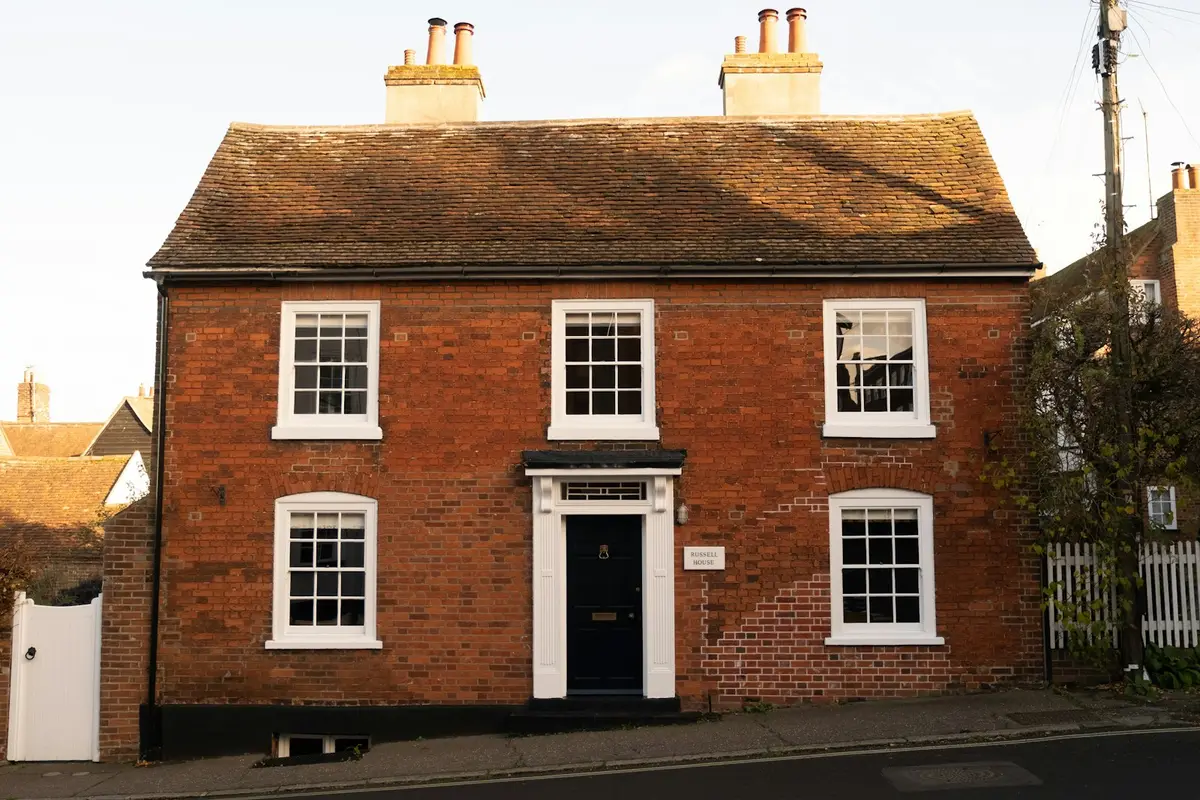
Cost by house size, fully fitted
The table below is the heart of this guide. Each row pairs a house type with a realistic window count and a low, average and high fully fitted price for uPVC. The low column is a basic specification from a competitive local fitter, the high column reflects larger windows, a premium glass specification or harder access. These figures are cross-checked across GreenMatch, the FMB and Checkatrade. Whole-house totals start from the per-window rate, so if you want the underlying double glazing costs by style and frame material rather than the house-level view, our how much double glazing costs in 2026 hub carries the per-window tables these rows are built from.
| House type | Typical windows | Low | Average | High |
|---|---|---|---|---|
| Flat | 4 | £1,800 | £3,200 | £5,000 |
| Bungalow | 8 | £3,500 | £5,500 | £8,000 |
| Mid-terrace / 3-bed | 8-10 | £4,000 | £6,500 | £10,000 |
| Semi-detached | 10-12 | £5,000 | £8,000 | £12,000 |
| Detached | 12-16 | £7,000 | £11,000 | £16,500 |
Source: DGCC 2026 dataset, cross-checked against GreenMatch, the FMB and Checkatrade. The highlighted mid-terrace row is our worked example below.
A word on window counts. Some older calculators assume a 3-bed house has 12 or more windows, which inflates the total. In reality a 3-bed home usually has 8 to 12 windows, with a mid-terrace at the lower end. The rows above are reconciled to those real counts, which is why the mid-terrace average lands at around £6,500 rather than the higher figures you sometimes see quoted.
3-bed / mid-terrace: worked example in uPVC casement
Take the most common scenario we are asked about: a mid-terrace house with 10 uPVC casement windows, fully fitted, medium size, A-rated. At a typical per-window average of £650, the maths is simple: 10 windows at £650 is a total of around £6,500. The realistic range runs from £4,000 for a low specification to £10,000 for a higher one with larger windows or a premium glass package. Switching to triple glazing would add roughly 10 to 20% on top.
That same house in aluminium would cost more, because aluminium runs roughly 30 to 40% above uPVC per window. Timber would cost more again, at 60 to 110% above uPVC. For most mid-terrace homes, uPVC casement is the sensible default, which is why it carries our Best Buy verdict below. The same verdict runs across every frame type in our Double Glazing Best Buys 2026 picks, which name the specification we recommend for each one and why the runners up lost.
Ten windows on a terrace at six and a half grand is the figure we see most often. If someone hands you fourteen grand for the same job in standard uPVC, they are either counting windows that are not there or having a laugh. Count your windows yourself before the surveyor turns up.
Double Glazing Cost Calculator Team
Semi-detached: the middle-ground figure
A semi-detached home usually has 10 to 12 windows and comes out around £8,000 fully fitted in 2026, inside a realistic range of £5,000 to £12,000. It sits between the mid-terrace and detached figures because a semi has two exposed external walls rather than the one a mid-terrace shares with its neighbours, but fewer windows than a full detached house. Bay windows are common on semis and tend to push the total towards the top of the range. For the material trade-off at this size, see our uPVC versus aluminium comparison.
Best Buy: where the money goes furthest
Across every house size, the material that gives most homeowners the best value is A-rated uPVC casement Best Buy. It is the cheapest A-rated entry point, lasts 20 to 25 years, meets Part L and is straightforward for any FENSA-registered installer to fit. Aluminium Worth it is worth the premium if you want slim sightlines on large openings, and timber It depends only really earns its place on period or conservation-area homes where uPVC is not allowed. If you are weighing frames, our uPVC versus aluminium comparison sets out the trade-off in full.
Can a grant cover it?
For a small number of households, yes. In England, the Warm Homes: Local Grant has a £16,600 cap per home for energy performance measures including glazing, for lower-income households whose home is in EPC band D to G. That covers much of a house in many cases, but several councils have already spent their money for 2026/27, so check yours before counting on it. Scotland offers an interest-free loan of up to £8,000 towards windows through Home Energy Scotland. However, only around 15% of households qualify for funding overall, and ECO4 now runs only to 31 December 2026, so most people will pay privately. Check what might apply to you on our double glazing grants guide before assuming free windows.
How location changes the figure
Where you live can move the total by a fifth either way, which is why we track double glazing costs by UK region separately from house size. The capital is the clearest example: prices in London run about 20% above the UK average, driven by higher labour rates, parking and access charges, and a high density of conservation areas. A mid-terrace that costs £6,500 nationally can sit closer to £7,500 to £8,000 in London. Strong installer competition in some northern cities pulls prices the other way. Use the average column as your national baseline, then shift it with the Double Glazing Costs by UK Region pages for your own area.
Cost by your property type
The house-size figure is the baseline; your property type then shifts it, each for a different reason. We break the costs down for a Victorian terrace, a bungalow, a flat or apartment, a new build, a listed building and homes in a conservation area.
Frequently asked questions
A 3-bed or mid-terrace house with 8 to 10 uPVC casement windows typically costs around £6,500 fully fitted in 2026, within a range of £4,000 for a basic specification to £10,000 for a higher one. Larger semi-detached and detached homes cost more because they have more windows.
Most 3-bed houses have between 8 and 12 windows, not the 12-plus some calculators assume. A mid-terrace tends to sit at the lower end (8 to 10), while a semi-detached with bay windows can reach 10 to 12.
A detached home has more external walls and therefore more windows, often 12 to 16, plus a higher chance of bay windows and upper floors needing scaffolding. That pushes the fully fitted total to between £7,000 and £16,500.
Usually yes. The installer spreads fixed costs (the visit, removal, sealing and the FENSA certificate) across the whole job, so the per-window rate often falls when you replace a full set rather than one or two windows.
The figures here are fully fitted, covering supply, labour, removal of the old windows, sealing and the FENSA certificate. Always confirm whether a written quote is supply-only or fully fitted, and whether VAT is included.
In England, the Warm Homes: Local Grant can cover up to £15,000 of fabric measures including glazing for lower-income households in EPC bands D to G, which could fund much of a house. However only around 15% of households qualify, so most people pay privately.