
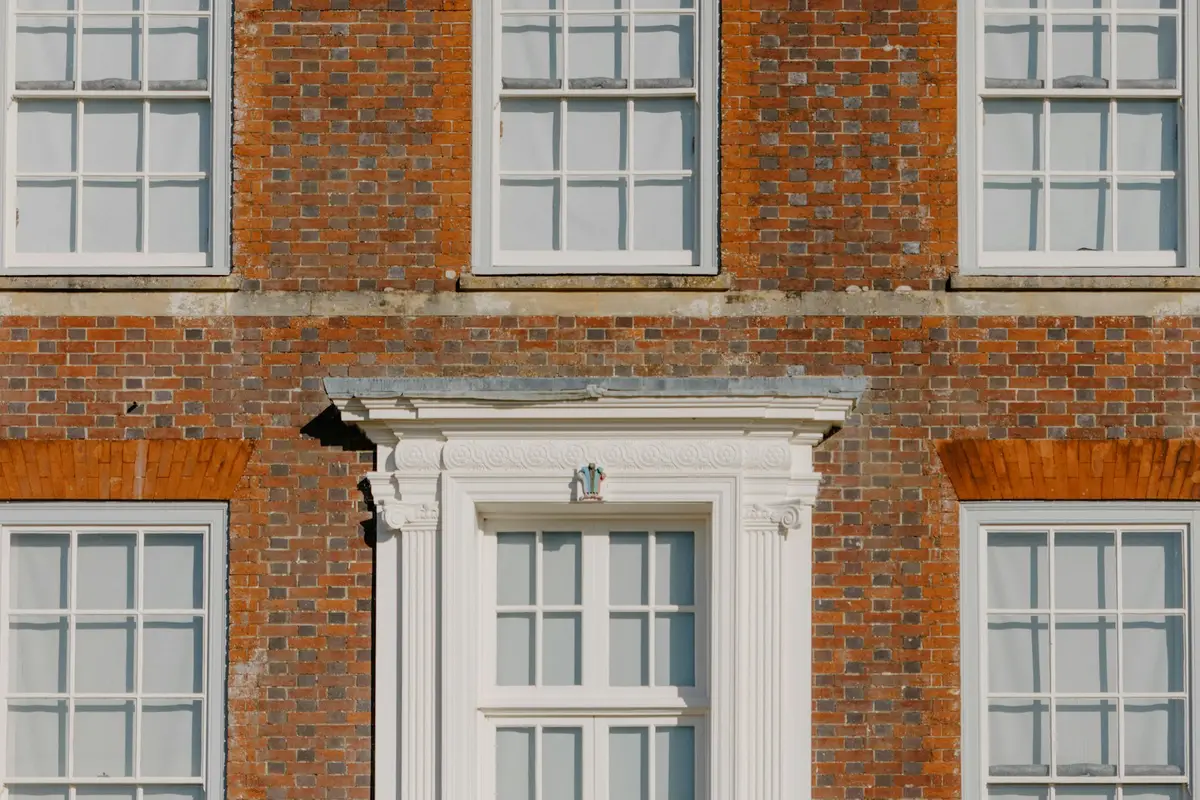
A listed building turns the usual cost question on its head. The issue is not how many windows you have or what material you prefer, it is whether you are allowed to touch them at all. Inserting double or triple glazing into historic windows usually requires Listed Building Consent, and uPVC replacement is generally refused outright. For most owners the practical, approved and far cheaper answer is secondary glazing, which Historic England actively recommends. This page sets out what each route costs in 2026 and why the cheaper option is often the better one. For the head-to-head, see our secondary versus double glazing comparison.
What the routes cost
The table compares the four options an owner of a listed building realistically faces. The first is the one most councils and Historic England prefer. The others depend on securing consent, which is never guaranteed.
| Route | Per window (fitted) | Consent position |
|---|---|---|
| Secondary glazing | £75 to £80 DIY materials, £300 to £900 fitted | Usually no planning permission needed |
| Slimline double glazing in the existing sashes | £650 to £1,300 | Listed Building Consent likely to be required |
| New timber sash windows with slimline double glazing | £1,330 to £2,850 | Listed Building Consent always required to replace a window |
| uPVC replacement | Not applicable | Generally refused on listed homes |
Source: clearviewsg.co.uk (secondary glazing pricing); Checkatrade (July 2026) for double glazing fitted into existing sash frames, a figure that does not specify slim units; historicengland.org.uk and Historic England Advice Note 18 (February 2026) for the consent position; DGCC 2026 dataset for timber sashes.
Why secondary glazing is the recommended route
Conservation officers prefer secondary glazing for one reason above all: reversibility. A secondary system sits on the inside of the existing window and is fixed with screws, so it can be removed without leaving a mark on a window that may be two centuries old. It is invisible from the street, which preserves the external appearance the listing protects. Historic England recommends it as best practice, and research commissioned by English Heritage and Historic Scotland found that secondary glazing can outperform replacement double glazing for thermal efficiency in traditional buildings. For noise, Historic England's guidance gives sound insulation of up to 45 dBA with a 100 mm cavity. The Scottish tests are specific: secondary glazing beat the gas-filled slim units fitted into existing sashes, but not the vacuum glazing unit. You keep the original windows, improve comfort, and usually avoid planning permission altogether.
Worked example: a Grade II terrace, four front windows
Take a Grade II listed home with four original single-glazed sashes on the front. Bespoke fitted secondary glazing on all four, surveyed and installed, typically lands in the low thousands for the set, well below the cost by house size of a consented timber replacement and with no risk of refusal. Keeping the four sashes and fitting slimline double glazing into them runs roughly £2,600 to £5,200 on Checkatrade's figure for double glazing existing sash frames, and needs consent first. New timber sash windows with slimline units on the same four would run £5,300 to £11,400, and replacing a window on a listed building always needs consent. Either application can take months.
On a listed building the cheapest first step is still secondary glazing: the old sashes stay, the draughts and most of the noise go, and consent is rarely needed. Slim or vacuum units in the existing frames are now generally acceptable to Historic England, but not where historic glass survives, and consent is likely to be needed. Check the glass before anyone quotes.
Double Glazing Cost Calculator Team
Best Buy for a listed building
For almost every listed home, secondary glazing Best Buy is the answer: approved, reversible, cheaper and effective. Slimline double glazing It dependsis worth pursuing where no historic glass survives and the frames can take it: Historic England's Advice Note 18, revised in February 2026, says slim-profile or vacuum units within historic frames "will generally be acceptable", with consent likely to be required. New windows are for originals that are beyond repair. Windows with stained glass or leaded lights are a separate case, covered in our guide to stained glass double glazing. uPVC It depends is effectively off the table. If your home is in a conservation area as well as listed, our conservation area cost page and Victorian terrace cost page cover the overlapping layers of rules, which our guide to the conservation area rules explains in full.
Frequently asked questions
Sometimes, but inserting double or triple glazing into historic windows usually requires Listed Building Consent, and uPVC replacement is generally not acceptable. Many councils prefer secondary glazing instead, which Historic England actively recommends as best practice because it is reversible and leaves the original windows untouched.
A standard window costs £300 to £500 fitted (Checkatrade, July 2026), and a DIY magnetic panel about £75 to £80 in materials. A surveyed, fitted bespoke aluminium system for a period window costs more, but it is still usually cheaper and far less disruptive than seeking consent for full replacement.
For most glazing changes to a listed building, yes. Altering or replacing historic windows affects the special character the listing protects, so Listed Building Consent is normally required. Secondary glazing often does not need planning permission because it is reversible and hidden inside the reveal.
For a traditional building, research commissioned by English Heritage and Historic Scotland found secondary glazing can outperform replacement double glazing for thermal efficiency, and Historic England gives sound insulation of up to 45 dBA with a 100 mm cavity. The Scottish tests found it beat gas-filled slim double glazing in the existing sashes but not vacuum glazing. It also preserves the original windows, which matters when they are part of why the building is listed.
Possibly for the secondary glazing or repair element if you qualify on income and EPC grounds, but funding for listed properties is tightly tied to conservation approval. Always confirm both the grant eligibility and the consent position before committing.