
If your home is in a conservation area, the good news is that replacing your windows is usually simpler than you fear. In most cases it counts as permitted development and needs no planning permission at all. The rules only tighten in specific circumstances, chiefly when the council has issued an Article 4 direction, or when the building is listed. This guide covers the planning rules; for what the work costs, see our companion page on the cost of conservation-area windows.
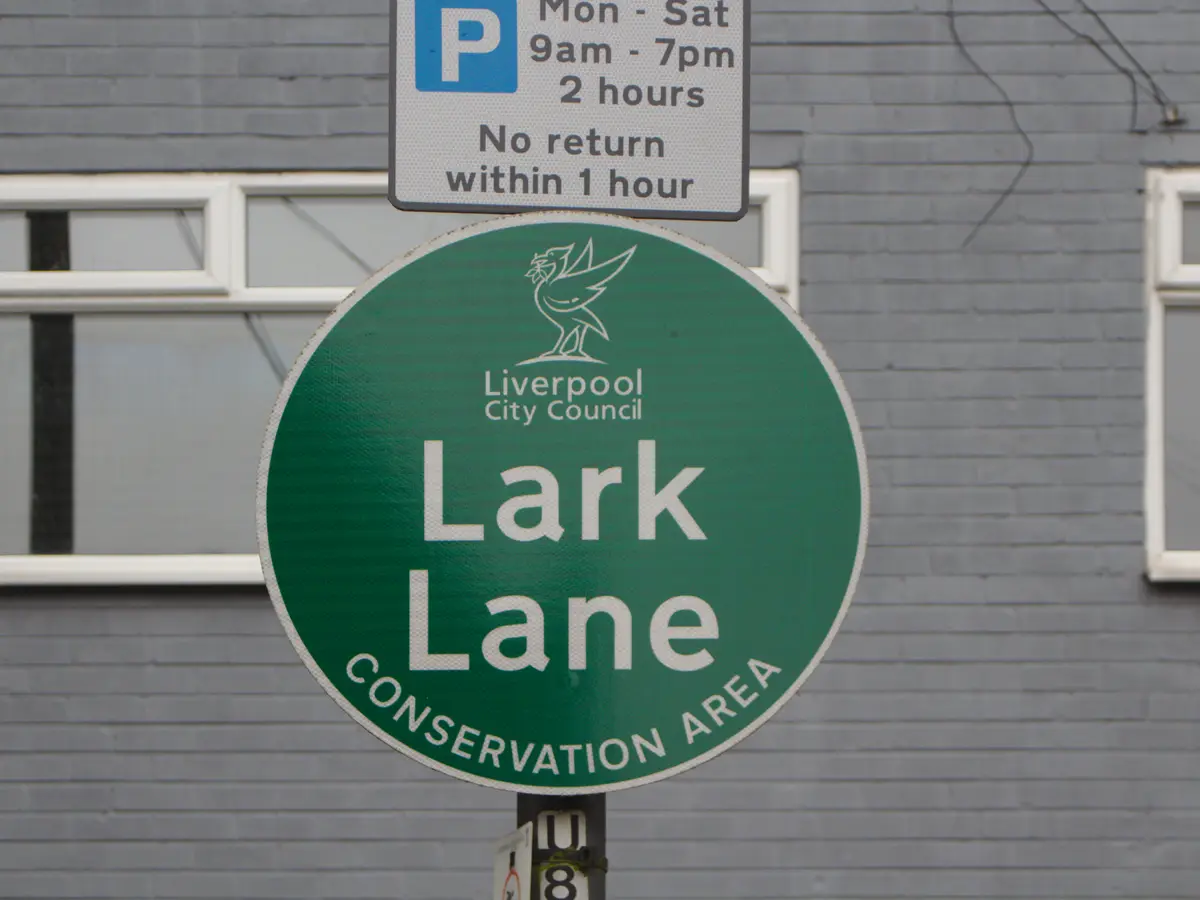
The default: window replacement is permitted development
For the great majority of homes, replacing windows is permitted development, meaning the government has already granted the planning permission in principle and you do not need to apply for it. This applies to ordinary houses across England, and it holds even inside a conservation area, provided the replacement is essentially like-for-like: the same style, the same opening method, and a sympathetic appearance. Living in a designated area does not, on its own, mean you have to apply for permission to swap tired windows for new ones.
That said, designated areas do carry additional restrictions in general, and the flat rights that houses enjoy do not extend to flats and maisonettes, which can need permission to change windows even outside a conservation area. The key thing to establish for a house is whether an Article 4 direction applies, because that single fact changes everything.
What a conservation area actually changes
A conservation area is a place, designated by the local council, whose character or appearance is worth preserving. National parks and Areas of Outstanding Natural Beauty (AONBs) are treated similarly for these purposes. The designation brings extra controls, most of which bite on things like demolition, cladding and large extensions rather than a straight window swap. For windows specifically, the like-for-like permitted-development route usually survives, so the designation alone is rarely a barrier.
Where it does start to matter is appearance. Even under permitted development, replacing distinctive original windows with something visibly out of keeping can attract enforcement attention, and it undermines the character the area is meant to protect. So the sensible approach in a conservation area is to treat sympathetic design as the goal from the start, whether or not you strictly need permission.
The first move on a conservation-area job is to ring the council's planning department and ask one question: is there an Article 4 direction on this address? That answer decides the whole job. Without one, like-for-like is usually fine. With one, you are into a planning application and a very different specification.
Double Glazing Cost Calculator Team
Article 4 directions: when you do need permission
An Article 4 direction is a formal decision by the council to withdraw specified permitted-development rights in a defined area. They are common in the more sensitive conservation areas precisely to stop a drift towards uPVC and modern glazing eroding a historic streetscape. Where an Article 4 direction covers windows, your permitted-development right is gone and you must apply for planning permission before you replace them.
Once permission is in the frame, councils commonly refuse obvious uPVC and modern double glazing on principal or front elevations, the parts of the house that face and shape the street. They will expect replacements that match the originals: timber, heritage aluminium, or slimline and vacuum double-glazed units built to a matching sightline, which is the visible width of the frame and glazing bars. A matching sightline is not automatic: Historic England's 2017 guidance drew a vacuum unit needing a wider glazing bar than the original. Rear and less visible elevations are often treated more leniently, but never assume it. Check with the conservation officer before you order anything.
| Your situation | What you need |
|---|---|
| Conservation area, no Article 4 direction, like-for-like | Permitted development, no planning permission needed |
| Conservation area with an Article 4 direction | Planning permission required; matching materials and sightlines expected |
| Listed building (in or out of a conservation area) | Listed Building Consent required for significant works |
General guidance, not planning advice. Always confirm with your local council's planning department before ordering.
What conservation officers accept
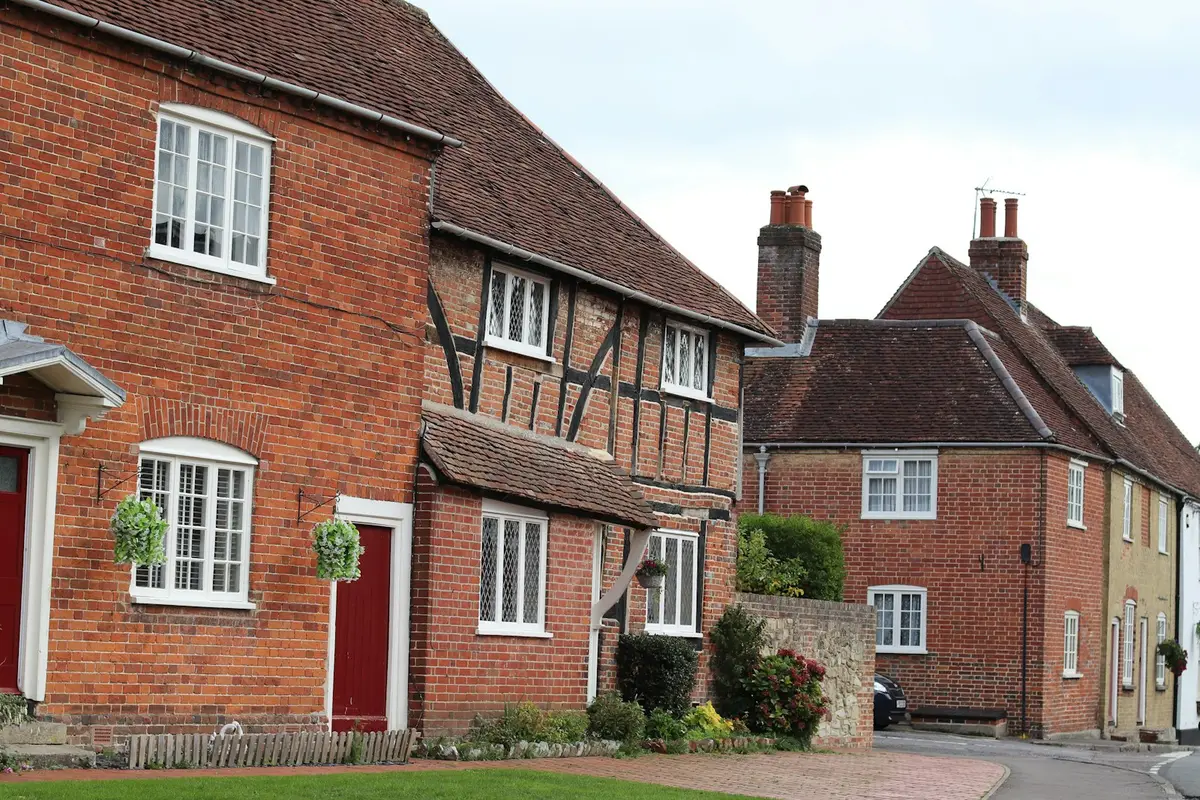
When the council does control your window replacement, the watchword is match the original. Officers look at material, style, the way the window opens, glazing-bar layout and, above all, sightline. A chunky modern frame reads as wrong even from across the street, whereas a slim timber or heritage-aluminium profile can be almost indistinguishable from the original. This is why timber windows remain the default for period properties, and why slimline double glazing and vacuum units exist: they let a traditional frame keep its slim glazing bars. Expect a large gain on single glazing rather than modern performance, though. Gas-filled slim units measured in Edinburgh sashes mostly came in near 2.0 W/m²K at the centre of the glass, against 1.0 to 1.4 for modern A-rated double glazing; vacuum units did markedly better.
There is also a genuine permitted-development nuance worth knowing, because most guides skip it. An upper-floor window on a side elevation must be obscure-glazed and either non-opening, or capable of opening only more than 1.7 m above the floor of the room it serves. This is a privacy rule aimed at overlooking, and it applies to the window itself regardless of the conservation-area question, so factor it in when you specify an upstairs side window.
Listed buildings are a separate, stricter matter
It is vital not to confuse a conservation area with a listed building. A conservation area protects the character of a place; a listed building protects an individual building of special interest, and the controls are far stricter. Significant works to a listed building, which include altering or replacing windows, need Listed Building Consent regardless of whether the building also happens to sit in a conservation area. Carrying out such works without consent is a criminal offence, so this is not a corner to cut.
On listed homes, uPVC replacement is generally not acceptable. Sealed units in historic frames are a different matter since Historic England's Advice Note 18 was revised in February 2026: slim-profile or vacuum double glazing within historic frames "will generally be acceptable", with listed building consent likely to be required, except where historic glass of interest survives, the frames or glazing bars cannot take the units, or the windows have leaded lights. "Generally" is not "always", so ask the conservation officer first. The route that needs the least consent is secondary glazing, which is reversible, leaves the original windows untouched and is frequently recommended for traditional buildings. The full cost picture for these cases lives on our listed building windows page.
What to do before you order
Start with the single decisive fact: contact your local council's planning department and ask whether an Article 4 direction applies to your address, and whether the building is listed. If the answer to both is no and you are replacing like-for-like, you can usually proceed under permitted development with a sympathetic specification. If either is yes, get the conservation officer's view on materials and sightlines before you commit a penny, and budget for the heritage premium that timber or slimline units carry.
One more practical point: the ventilation rules still apply. Most replacements need trickle vents, although a listed building or conservation-area home may not have to comply fully where visible vents are not reasonably practicable. Sort the planning position first, agree the specification with the officer, and only then line up quotes so you are comparing like for like.
Get quotes from installers who work in conservation areas
Conservation-area work turns on what the council will accept, which is why the quote and the consent question are really one job. Tell us what you need and Leads 2 Trade will arrange quotes from installers covering your postcode.
Ask what the installer has fitted in your area and whether they will handle the planning side. An installer who has been through it locally is worth more than a lower number from one who has not, because a refusal costs more than the difference.
Frequently asked questions
Usually not. Replacing windows is normally permitted development that needs no planning permission, even in a conservation area, provided it is like-for-like. The exception is where an Article 4 direction is in force, which withdraws those permitted-development rights and means you do need planning permission.
An Article 4 direction is a decision by the local council to remove specific permitted-development rights in a defined area, often to protect the character of a conservation area. Where one applies to windows, you can no longer replace them freely and must apply for planning permission first. Your council will confirm whether one covers your street.
If there is no Article 4 direction and the work is like-for-like, uPVC may be permitted. But where an Article 4 direction applies, councils commonly refuse obvious uPVC and modern double glazing on principal or front elevations, and expect matching timber, heritage aluminium, or slimline or vacuum glazing in a matching sightline instead.
No, and this matters. A conservation area protects the character of a whole area. A listed building protects an individual building and is stricter: significant works to a listed building need Listed Building Consent regardless of whether it is also in a conservation area. Many homes are in a conservation area but not listed.
Where the council controls window replacement, it typically wants new windows to match the originals in material, style, opening method and, crucially, sightline (the visible frame width). Timber, heritage aluminium, and slimline or vacuum double glazing are the usual routes to approval, especially on elevations facing the street.
Often yes, but not always. The ventilation rules in Approved Document F still apply, though a conservation area or listed building may not have to comply fully where it is not reasonably practicable, for example where a visible vent would harm the historic character. Your installer assesses what is achievable for your windows.