
How Much Do uPVC Windows Cost in 2026?
10 uPVC windows, UK average
£7,000
About £400 to £1,000 each, fitted
Your windows
Sizes: small about 600 × 900mm, standard 1200 × 1200mm, large 1800 × 1200mm.
Prices are estimates based on UK market averages for 2026. Actual costs vary by supplier, location and property. Always get 3 quotes before committing.
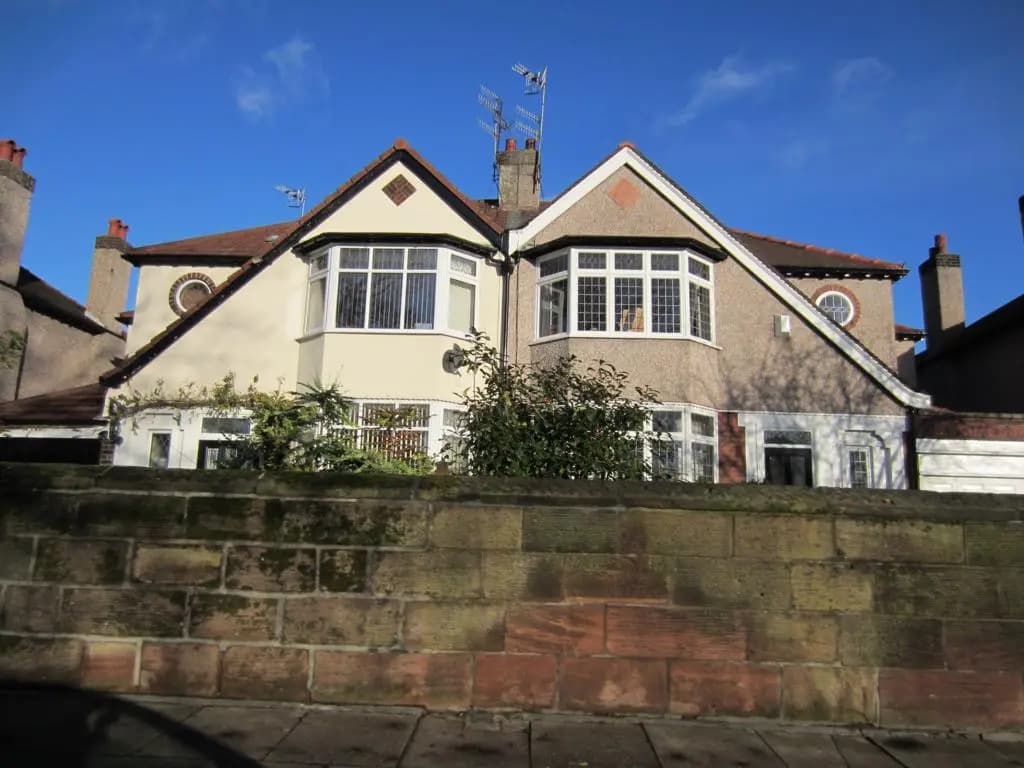
What a uPVC window actually costs in 2026
uPVC (unplasticised polyvinyl chloride) is the frame material in the large majority of UK homes, and for good reason. A standard uPVC casement window costs between £400 and £1,000 fully fitted in 2026, with a typical figure of around £650. That price covers the unit, the labour, removal of the old frame, sealing and the FENSA certificate. The calculator above starts on uPVC casement for exactly that reason: it is the sensible default that most people end up choosing. That £650 is the uPVC casement figure specifically, and double glazing costs by style and material range a long way either side of it once you change the shape of the window or the material of the frame.
Style is the next biggest lever after the number of windows. A flat run of casements is the cheapest thing to make and fit, which is why casement window types and styles is the right place to start if that is what you are pricing, and our hub on double glazing costs by style and material sets every other shape and frame against it. The moment you move to a sash or a bay, the price climbs because there is more glass, more hardware and a more fiddly install. If your home has a mix, the calculator lets you price each run separately and add them up. For a deeper look at how the per-window figure builds up across styles, our guide on the cost of double glazing per window breaks down every line. These figures are cross-checked against Checkatrade.
| uPVC style | Low | Typical | High |
|---|---|---|---|
| Casement | £400 | £650 | £1,000 |
| Tilt and turn | £500 | £800 | £1,200 |
| Sash | £600 | £1,050 | £1,500 |
| French doors | £1,100 | £1,650 | £2,200 |
| Bay (per bay) | £1,250 | £2,000 | £3,000 |
Source: DGCC 2026 consensus, cross-checked against Checkatrade. Casement is the best-value entry point.
Why uPVC is the default choice for most homes
Three things keep uPVC at the top of the list. The first is price, as the table shows: it is the cheapest route to an A-rated window, which is the standard most installers now fit by default. The second is upkeep. Unlike timber, uPVC never needs painting. A wipe down a couple of times a year, a check of the seals and an occasional squirt of lubricant on the hinge is the whole job, which is why it suits busy households and rental properties. White uPVC remains the cheapest finish, with woodgrain and coloured foils adding to the price. The third is energy efficiency. Modern uPVC frames with low-E glass, an argon fill and a warm-edge spacer comfortably hit a whole-window U-value of 1.4 W/m²K or lower, meeting the 2026 Part L requirement without any fuss.
The trade-offs are honest ones. uPVC frames are chunkier than aluminium, so if you want slim sightlines and a large glass area you will pay more for that look. uPVC also lasts 20 to 25 years rather than the 30 to 40 you get from aluminium, and it is not appropriate for a listed building or many conservation areas. If a sleeker frame is what you are after, the trade-offs are laid out in our comparison of uPVC versus aluminium windows. If you only want to price a different material quickly, the aluminium window calculator and the timber window calculator run the same sums on the other two frames.
What it costs for a whole house
Per-window prices are useful, but most people are really asking what the whole job will cost. A typical mid-terrace or 3-bed home has 8 to 10 windows, which works out at roughly £4,000 to £10,000 for uPVC fully fitted. A semi-detached with 10 to 12 windows lands around £5,000 to £12,000. The calculator does this maths for you the moment you set your property type, and our breakdown of double glazing costs by house size shows the full range from a flat up to a large detached. Double glazing costs by UK region move that national figure again, which is why our Double Glazing Costs by UK Region pages set London, Manchester and Birmingham against the average.
The verdict on uPVC
For the overwhelming majority of UK homes, uPVC casement is the one to beat. It is the cheapest A-rated window you can buy, it needs no maintenance and it meets every current building regulation. Unless you specifically want slim aluminium frames or you live somewhere that demands timber, this is where your money goes furthest.
Best Buy uPVC casement, A-rated, at around £650 fitted per window is our Best Buy for 2026.
Nine out of ten homes end up on A-rated uPVC casements, and rightly so. The frame outlives most people's plans for the house, there is nothing to paint and the price leaves room in the budget for decent glass. Spend the extra on the glazing spec, not on a fancier frame you do not need.
Double Glazing Cost Calculator Team
Get quotes for uPVC windows
Think of it as a window quote calculator in two steps: the estimate comes first, with no email needed, and quotes only if you ask for them. The calculator gives you a benchmark: £400 to £1,000 fitted for a uPVC casement, typically around £650. For a price on your actual openings, tell us what you need and Leads 2 Trade will arrange quotes from installers covering your postcode.
Two things worth doing when those quotes land. Ask every installer to price the same glass specification, because a cheaper number is usually a thinner sealed unit rather than a better deal. And check each one is FENSA or CERTASS registered, since that is who self-certifies the work against building regulations. If you want more installers to compare, Double Glazing Quote matches you with local fitters for free.
Frequently asked questions
A standard uPVC casement window costs between £400 and £1,000 fully fitted in 2026, with a typical figure around £650. Larger styles cost more: a uPVC sash window runs £600 to £1,500, and a uPVC bay £1,250 to £3,000 per bay.
Yes. uPVC is the most affordable frame material. Aluminium costs roughly 30 to 40% more than uPVC, and timber 60 to 110% more, for the same casement window. Put the other way round, uPVC is about a quarter cheaper than aluminium and about half the price of timber. It is the reason uPVC remains the default choice for most UK homes.
A quality uPVC frame lasts around 20 to 25 years. The sealed glass unit itself typically lasts 15 to 20 years before any misting. uPVC needs no painting, so maintenance is limited to the odd wipe down and a check of the seals.
Most reputable installers fit A-rated uPVC windows by default in 2026, which comfortably meets the Part L requirement of a U-value of 1.4 W/m²K or lower. A-rated uPVC casement is the cheapest way to hit that standard.